Every child deserves the chance to learn, grow, and build a better future. However, many children from underprivileged communities face challenges that make attending a regular school difficult. Financial problems, a lack of resources and difficult living conditions can prevent them from receiving a proper education. Street schools help bridge this gap by bringing learning opportunities closer to children who need them most.
But what is a street school, and how can it make a difference in a child’s life? Street schools provide accessible, often free education to children who may not have the opportunity to attend a traditional school. Through basic lessons, learning activities, and guidance, these initiatives help children develop essential skills and gain confidence in their abilities.
What Is a Street School?
The street school is a form of learning center that provides an educational program for children from slums, street children, and other underprivileged groups. These schools are different from standard schools, as they provide opportunities for children who would otherwise have difficulty attending school.
Street schools help us understand the importance of this type of initiative. Street schools work to create access to education for all children by addressing the obstacles that exist in accessing education, including cost of attendance, lack of resources, and lack of support.
Children can learn basic subjects such as reading, writing, and mathematics in a supportive environment. Depending on the program, they may also participate in creative activities, develop communication skills, and receive guidance that encourages their personal growth.
Street schools do not have to replace formal schooling. Instead, they can help children begin learning, strengthen their foundational skills and, where appropriate, take steps towards joining or returning to a regular school.
Why Are Street Schools Important for Underprivileged Children?
Education gives children the knowledge and skills they need to understand the world around them. However, children from disadvantaged backgrounds may face several challenges before they can enter a classroom.
Street schools help address these challenges in different ways.
1. Providing Free and Accessible Education
School-related expenses and limited access to learning resources can create difficulties for families with low incomes. Free educational programs reduce some of these barriers and give children an opportunity to learn without adding to their family’s financial burden.
2. Building Basic Learning Skills
Reading, writing, and mathematics are essential skills for everyday life. Street schools help children develop these foundations through lessons, practice, and interactive activities.
With regular guidance, children can gradually improve their understanding and become more comfortable with learning.
3. Developing Confidence and Social Skills
A positive learning environment allows children to ask questions, share ideas, and interact with others. These experiences can help them develop confidence, communication skills, and a sense of belonging.
4. Creating Opportunities for the Future
Education can help children understand their choices and prepare for future opportunities. It can also help them recognize the importance of health, personal safety, and making informed decisions.
These benefits show why alternative education for disadvantaged children plays an important role in creating a more inclusive society.
Learn how street schools help underprivileged children by providing access to education, essential learning resources, and opportunities for a brighter future.
How Does Street Education Help Children Learn?
Street education for children focuses on making learning accessible, engaging, and suitable for their circumstances. Instead of expecting every child to have the same learning experience, educators and volunteers can adapt their approach to meet different needs.
Here are some ways street education can support children’s development:
- Basic literacy and numeracy: Children practice reading, writing, counting, and simple mathematical concepts.
- Activity-based learning: Stories, games, drawing, and group activities can make lessons easier to understand.
- Personal development: Children learn communication, cooperation, discipline, and problem-solving.
- Emotional encouragement: Supportive teachers and volunteers help children feel valued and motivated.
- Educational awareness: Programs can encourage children and families to understand the importance of continued education.
When children receive consistent support, they have a better opportunity to develop the skills and confidence needed for their next steps in education.
Aashayein Street Schools by Happy Faces Vadodara
One organization working to make education more accessible is Happy Faces Vadodara, a not-for-profit organization committed to supporting underserved communities through education and other social welfare initiatives.
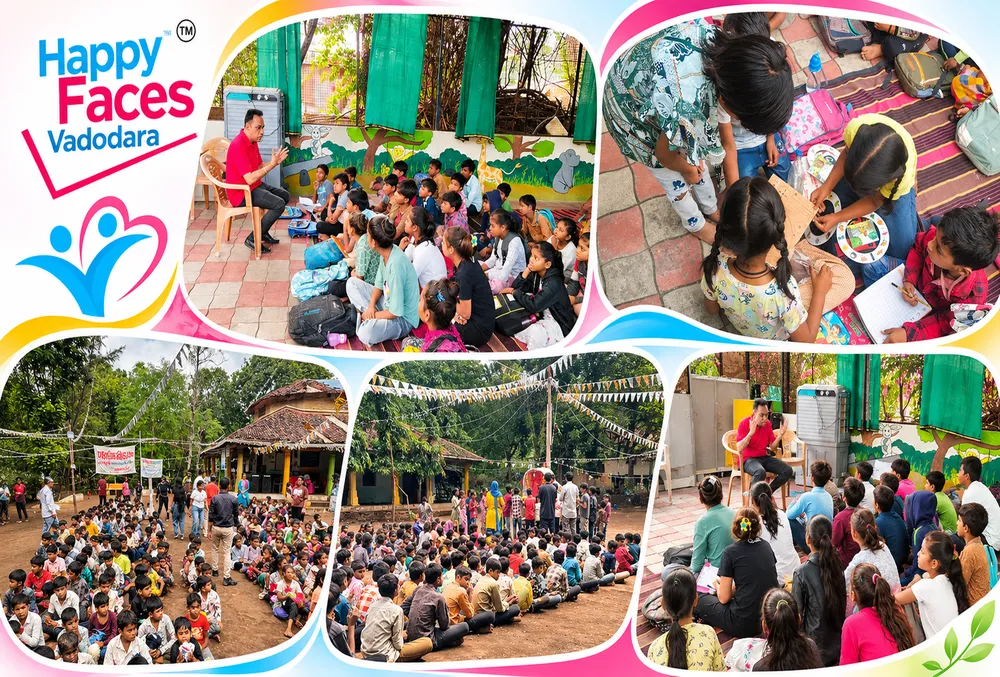
Its Aashayein Street Schools program focuses on providing free education to children living in slum areas and on the streets of Vadodara. According to the organization’s website, its street schools operate at three locations: Sayajigunj, Sunpharma Road, and Vishwamitri. The organization reports providing free daily education to more than 400 children.
These centers help bring learning opportunities closer to children who might otherwise struggle to access educational support. By making education available within their communities, Happy Faces Vadodara works towards reducing educational barriers and encouraging children to continue learning.
The initiative reflects an important belief: every child deserves the opportunity to learn, regardless of their family’s financial circumstances.
Through its wider education initiatives, Happy Faces Vadodara also encourages community participation in creating positive change. Volunteers, schools, and organizations can contribute their time, resources, and support to help educational programs reach more children.
How Can You Support Street Schools?
Street schools need the support of people and communities who believe that every child should have access to education. Even a small contribution can help strengthen learning opportunities.
Here are a few ways to get involved:
- Volunteer your time: Help children practice reading, writing, or other basic skills.
- Donate educational materials: Books, notebooks, stationery, and other learning supplies can support classroom activities.
- Support educational programs: Contributions can help organizations maintain learning resources and provide continued educational support.
- Encourage community participation: Spread awareness about the importance of education for children from underserved communities.
- Explore school and corporate partnerships: Schools and businesses can work with NGOs to support educational activities and community development.
By supporting organizations such as Happy Faces Vadodara, individuals and groups can become part of a collective effort to make education more accessible.
Every Child Deserves the Chance to Learn
A street school is more than a place where children learn to read and write. It can be a starting point for building confidence, developing essential skills, and creating opportunities for a brighter future.
When children receive access to education, they gain more than academic knowledge. They also get the chance to express themselves, understand their potential, and work towards their goals.
Through Aashayein Street Schools, Happy Faces Vadodara continues to support educational access for children in underserved communities across Vadodara. With the help of volunteers, donors, and community partners, such initiatives can continue opening doors to learning.
Every child deserves an opportunity to learn, grow, and build a better tomorrow.
Frequently Asked Questions
What is a street school?
A street school is a learning center that provides accessible, often free, education to children who face barriers to attending traditional schools. It helps them develop basic academic skills and gain confidence in learning.
Who benefits from street schools?
Street schools primarily support children from underprivileged communities, including those living in slum areas or on the streets. They help children who may have limited access to formal education and learning resources.
How do street schools help children?
Street schools provide basic education, learning materials, and a supportive environment. They can help children improve their literacy, numeracy, communication skills, and confidence while encouraging continued education.
What are Aashayein Street Schools by Happy Faces Vadodara?
Aashayein Street Schools is an initiative by Happy Faces Vadodara that provides free educational support to children from underserved communities. The organization operates centers in Sayajigunj, Sunpharma Road, and Vishwamitri in Vadodara.
How can I support street schools in Vadodara?
Volunteer, donate educational materials, provide financial assistance for educational programs, and/or raise public awareness of children’s education to support street schools. Visit the website of Happy Faces Vadodara for additional information regarding their projects and how to become a part of them.
