
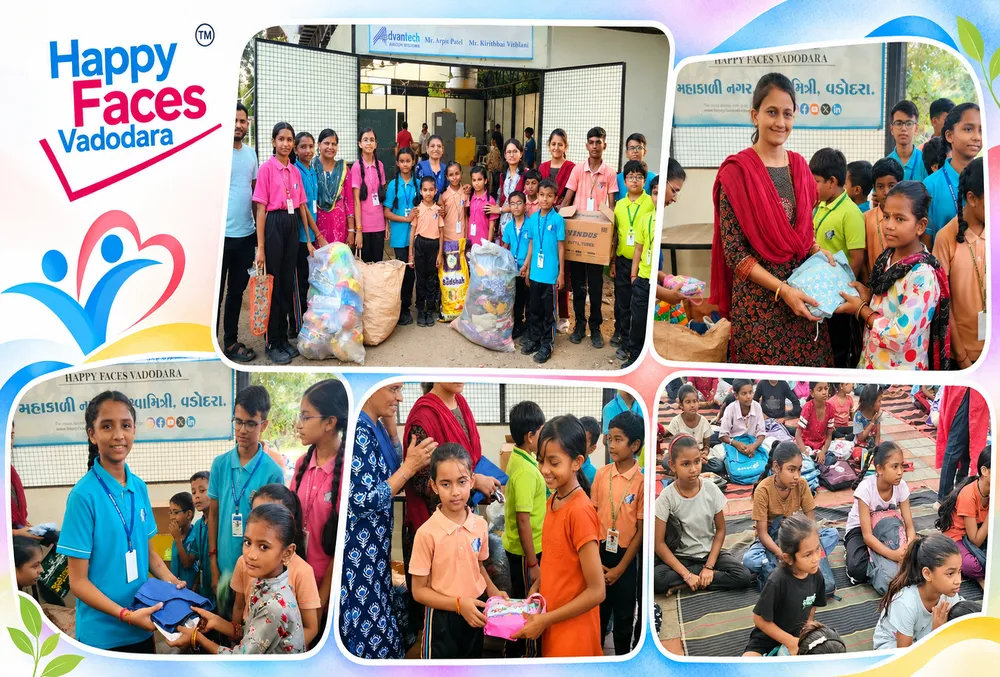
Education gives children the knowledge, confidence, and skills they need to build a better future. However, many children from underprivileged communities face challenges such as poverty, limited learning resources, and a lack of access to quality education. For these children, even basic school supplies and regular learning opportunities can make a big difference.
Companies can help bridge this gap by choosing to sponsor education for underprivileged children through donations, educational resources, volunteering, and long-term partnerships with non-governmental organizations (NGOs). These efforts allow businesses to give back to society while helping children access learning opportunities that may otherwise be out of reach.
Through meaningful Corporate Social Responsibility (CSR) initiatives, companies can work with organizations like Happy Faces Vadodara to support children’s education and create positive changes within local communities.
Why Should Companies Invest in Children’s Education?
Education is one of the most effective ways to create opportunities for children from disadvantaged backgrounds. It helps them develop essential skills, understand the world around them, and work towards a more secure future.
However, financial difficulties can make it harder for families to meet educational expenses. School fees, books, stationery, uniforms, transportation, and digital learning resources can become additional burdens.
Companies can help reduce these challenges by supporting education for children from low-income families. Their contributions can help children continue learning, improve their basic skills, and develop greater confidence.
Investing in education also allows businesses to fulfill their social responsibilities, encourage employee participation in community projects, and contribute to long-term community development.
5 Ways Companies Can Sponsor Education for Underprivileged Children
Businesses can support children’s education in several practical ways. The right approach depends on the company’s budget, CSR objectives, and the needs of the communities it wants to support.
1. Fund Educational Expenses and Learning Programs
One of the most direct ways to support children’s education is by funding essential educational expenses. Companies can contribute towards learning materials, educational activities, tutoring sessions, and other resources that help children learn effectively.
Businesses can also work with NGOs to identify children who need additional educational support. This helps direct contributions towards genuine needs rather than providing resources that may not be required.
Through corporate education sponsorship, businesses can build partnerships with educational organizations and help create consistent learning opportunities for children who face financial barriers.
2. Donate Books, Stationery, and School Supplies
Not every child has access to the basic materials needed for learning. Items such as notebooks, pencils, school bags, textbooks, and art supplies can help children participate more comfortably in educational activities.
Companies can organize collection drives among employees, purchase essential learning materials in bulk, or work with NGOs to distribute supplies to children in underserved communities.
Businesses looking to sponsor school supplies for poor children should first understand what the children need. Coordinating with an NGO helps ensure that donations are useful, appropriate, and distributed fairly.
Even a small contribution can help a child attend learning sessions with the materials needed to participate.
3. Partner with NGOs Through CSR Education Programs
NGOs often have a better understanding of the educational challenges faced by local communities. They work directly with children and families, making them valuable partners for businesses that want to create a meaningful social impact.
Companies can collaborate with established organizations to fund learning centers, provide educational resources, support after-school classes, and organize skill-building activities.
Well-planned CSR education programs can also include digital literacy, career guidance, creative workshops, and activities that help children develop communication and problem-solving skills.
Before choosing an NGO partner, companies should review its work, understand its community needs, and agree on clear objectives. Regular updates and impact reports can help businesses evaluate how their support is being used.
4. Encourage Employees to Volunteer
Financial contributions are important, but companies can also support education by encouraging employees to share their time and knowledge.
Employees can volunteer to teach basic subjects, help children practice reading, conduct creative workshops, or introduce them to computers and digital tools. These activities give children additional opportunities to learn beyond regular lessons.
Companies can organize employee volunteering days, team-based educational activities, or regular visits to community learning centers.
Working alongside an NGO helps ensure that volunteering activities are suitable for the children’s age, learning needs, and existing educational programs.
This approach also encourages employees to become more involved in community development and understand the difference their efforts can make.
5. Support Street Schools and Community Learning Centres
Some children face difficulties accessing formal schools because of financial hardship, unstable living conditions, or other social challenges. Street schools and community learning centers help bring education closer to these children.
These centers can provide basic lessons, reading and writing practice, numeracy skills, and a supportive environment where children can learn at their own pace.
Companies can contribute by funding educational materials, supporting learning activities, and providing resources needed to keep these centers running.
Businesses can also support our street schools by partnering with organizations that work directly with children in underserved communities.
For example, Happy Faces Vadodara runs its Aashayein Street School program across three locations in Vadodara, providing free education to more than 400 children daily, according to its website. Corporate partners can help strengthen such community-based educational efforts by supporting learning resources and other identified needs.
How Can Happy Faces Vadodara Help Companies Support Children’s Education?
Happy Faces Vadodara is a non-profit organization in Vadodara working to improve the lives of underprivileged communities through education, healthcare, nutrition, and other social welfare initiatives.
Its Aashayein Street School program focuses on providing free education to children living in slum areas and on the streets of Vadodara. By bringing learning opportunities closer to these communities, the initiative helps children access educational support that may otherwise be difficult to obtain.
Companies interested in supporting children’s education can explore opportunities to collaborate with Happy Faces Vadodara through its CSR initiatives.
Depending on their objectives and the needs identified by the organization, businesses may consider supporting educational resources, community learning activities, employee volunteering, and other relevant initiatives.
Happy Faces Vadodara also offers opportunities for organizations to participate in wider community development activities. This allows companies to align their social responsibility efforts with practical needs within the community.
Businesses can learn more about the organization’s Corporate Social Responsibility initiatives and Aashayein Street Schools to understand their work and explore suitable partnership opportunities.
How Can Companies Measure the Impact of Education Sponsorship?
Supporting education should involve more than donating. Companies should also understand whether their contributions are helping children access learning opportunities and participate in educational activities.
Here are a few practical ways to assess the impact of an education sponsorship initiative:
- Track resources provided: Record the books, stationery, learning materials, and other educational resources distributed.
- Monitor participation: Review attendance and participation in the supported learning programs.
- Review learning progress: Where appropriate, work with educators to understand improvements in children’s reading, writing, numeracy, and other skills.
- Collect program updates: Request regular updates from the NGO about activities completed and challenges faced.
- Plan continued support: Review the results and identify ways to improve or extend the initiative.
Clear objectives and regular communication help businesses understand the value of their contributions. They also support better planning for future CSR activities.
Companies should agree on suitable reporting methods with their NGO partners and protect children’s privacy when collecting photographs, stories, or personal information.
Explore how a child NGO in Vadodara works to improve children’s lives through education, healthcare, protection, and community support.
Conclusion
Every child deserves the opportunity to learn, grow, and build a better future. Companies can help make this possible by funding educational resources, supporting community learning centers, encouraging employee volunteering, and partnering with organizations that work directly with underprivileged children.
Choosing to sponsor education for underprivileged children is not simply an act of charity. It is an opportunity to contribute to a more educated, confident, and inclusive society.
Happy Faces Vadodara provides businesses with an opportunity to support children’s education through its Aashayein Street School program and wider CSR initiatives. By working together, companies and community organizations can help more children access education and develop the skills they need for the future.
If your company wants to make a meaningful difference through education, connect with Happy Faces Vadodara to discuss suitable CSR and volunteering opportunities.
