
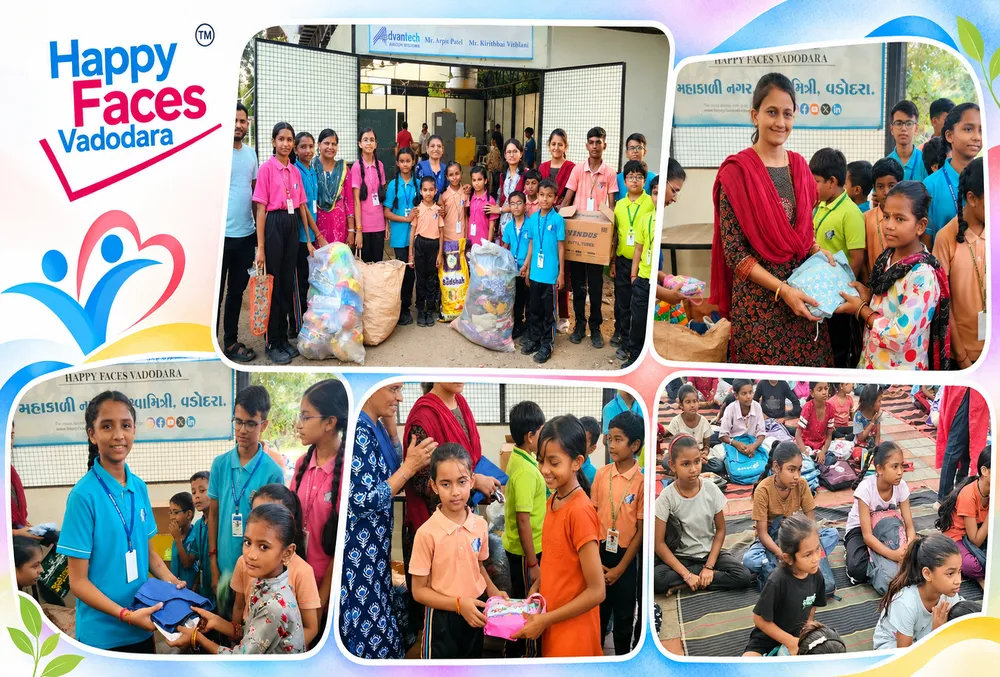
Every child deserves the chance to learn, grow, and build a better future. However, many children from low-income families struggle to attend school because their parents cannot afford educational expenses. School fees, uniforms, books, stationery, transport, and other basic needs can become difficult to manage when a family struggles to meet its daily expenses.
Children who do not receive education have a higher probability of missing out on opportunities that would help them develop the skills needed for a better future. Individuals, however, through their kind deeds (either large or small), can provide children with the opportunity to continue to learn. Individuals have several different methods they can use to support a child’s learning process. For example, individuals can supply children with school supplies and support the child’s education program.
If you want to know how to assist children whose families can’t pay for school, then finding out what they require and getting them the proper help would be a great way to begin. Organizations like Happy Faces Vadodara are making sure that education can reach children from poor neighborhoods.
Learn more about child NGOs in Vadodara and how organizations support children through education, care, and community initiatives.
Why Do Some Children Cannot Afford School?
Many families do not just pay tuition for their children’s education. Many of these families earn their living through daily wage labor, selling on the streets, working in homes, or being employed in other forms of manual labor. Because of the variability in their daily earnings, they often have to prioritize other costs like food, housing, and medical care over education.
Some common reasons children struggle to access education include:
- Financial difficulties: Families may not have enough money for school fees, books, uniforms, and stationery.
- Lack of learning resources: Children may not have textbooks, notebooks, or a quiet place to study.
- Transportation costs: Travelling to school every day can be expensive for families living far from educational facilities.
- Family responsibilities: Some children may need to help their parents with household work or earn an income.
- Limited educational awareness: Parents may not always know about available scholarships, government schemes, or free learning opportunities.
A child’s ability to attend school, learn successfully, and feel confident about himself/herself may be hindered by such difficulties. Poor children who receive educational support will have an increased opportunity to finish their schooling.
6 Ways to Help Children Who Cannot Afford School
You do not need to be wealthy to make a difference. There are several practical ways individuals, families, schools, and businesses can help children access education.
1. Donate Books, Uniforms, and School Supplies
Basic learning materials are needed by children to engage in school-based activities. Even though notebooks, pencils, school bags, textbooks, and uniforms are relatively inexpensive, it is often hard for low-income families to pay for them.
You can donate new or gently used books, contribute stationery kits, or organize a school supply collection in your neighborhood. Before donating, check that the items are clean, usable, and suitable for the children’s age groups.
These simple contributions can help children feel prepared for school and reduce some of the financial pressure on their families.
2. Support Free Education Programs
The best way to help children in need is to support organizations that give free education to those who can’t pay for private tutoring or other educational opportunities. Community learning centers and street schools provide children with the opportunity to take classes, obtain educational supplies, and receive assistance from teachers and volunteers in a safe and supportive atmosphere.
Happy Faces Vadodara runs its Aashayein Street School program to provide free education to children from underprivileged communities. Its educational initiatives help children access learning opportunities that may otherwise be difficult for them to obtain.
By supporting programs like these, you can help underprivileged students develop basic literacy, numeracy, and other essential skills.
3. Contribute Towards Educational Expenses
Even when tuition is free, families may struggle to pay for notebooks, uniforms, transport, examination materials, and other school-related expenses.
You can contribute towards these needs by supporting a recognized educational NGO for child education, sponsoring learning materials, or participating in a verified education donation program. If you wish to donate for children’s education, find out how the organization uses its funds and which educational needs require the most support. A contribution directed towards actual learning expenses can help children attend classes regularly and continue their studies. By supporting free education for underprivileged children, community members can help make learning more accessible and give children the opportunity to work towards their goals.
Regular contributions, even in small amounts, may also help educational organizations plan their activities more effectively.
4. Volunteer Your Time and Skills
Financial donations are valuable, but your time and knowledge can also make a difference.
If you enjoy teaching, you can volunteer to help children with reading, writing, mathematics, or basic computer skills. Professionals can offer career guidance, while college students can assist with homework, spoken English, and other learning activities.
Before volunteering, contact the organization to understand its requirements and follow its child-safety guidelines. At Happy Faces Vadodara, volunteers can contribute to community initiatives and help create opportunities for children. Spending a few hours teaching or supporting educational activities can encourage children to keep learning and build confidence in their abilities.
Explore volunteering and internship opportunities to discover how you can contribute your time, skills, and efforts towards supporting children and community development.
5. Help Families Find Educational Opportunities
Sometimes, families are unaware of the educational support available to them. Helping parents understand their options can make a real difference.
In India, the Right to Education Act provides for free and compulsory elementary education for children aged 6 to 14. Eligible children may also benefit from admission provisions under Section 12(1)(c), which covers specified seats in certain private unaided schools for children from disadvantaged groups and economically weaker sections, subject to applicable rules.
You can help families contact nearby government schools, understand admission procedures, and find out whether they qualify for scholarships or other educational assistance. Always check current eligibility requirements with the relevant school or government department, as application procedures and implementation can vary.
6. Encourage Schools and Businesses to Get Involved
Schools, colleges, and businesses can create a wider impact by working together to improve access to education.
Schools can organize book donation drives, encourage student volunteering, and conduct fundraising activities. Businesses can support educational initiatives through corporate social responsibility (CSR) programs, subject to applicable requirements.
Happy Faces Vadodara also offers school partnership opportunities that can include workshops, student volunteering, fundraising campaigns, and donations of educational resources.
When communities work together, they can provide more than short-term assistance. They can help build an environment where children have better opportunities to learn and grow.
Discover how school partnerships can support children’s education through meaningful collaboration, learning opportunities, and community initiatives.
How Does Education Support Change a Child’s Future?
Education is about much more than passing examinations. It helps children develop knowledge, confidence, communication skills, and the ability to make informed decisions.
Here are some important ways education can improve a child’s future:
- Better career opportunities: Education helps children develop skills that may open doors to further studies and employment.
- Greater confidence: Learning encourages children to express themselves, ask questions, and participate in group activities.
- Improved awareness: Children learn about health, personal safety, their rights, and the world around them.
- Reduced barriers to opportunity: Access to education can help children from disadvantaged backgrounds work towards a more secure future.
- Stronger communities: Educated children can share their knowledge and contribute positively to their families and communities.
Providing support for children’s education is therefore an investment in both individual growth and community development.
How Happy Faces Vadodara Is Helping Children Access Education
Happy Faces Vadodara is a voluntary public welfare organization founded in 2015. Its work focuses on supporting underserved communities through initiatives related to education, healthcare, nutrition, and other essential needs.
Through its Aashayein Street School program, the organization provides free educational opportunities to children from underprivileged communities in Vadodara. Its education centers aim to reach children who may face financial and social barriers to attending school. The organization also welcomes people who want to contribute through volunteering, donations, and community partnerships.
If you want to support children’s learning, you can learn more about the Aashayein Street School program and explore ways to get involved with Happy Faces Vadodara.
By supporting free education for underprivileged children, community members can help make learning more accessible and give children the opportunity to work towards their goals.
How Can You Start Helping Today?
Making a difference does not always require a large donation or a long-term commitment. You can begin by collecting books, sharing information about educational support, volunteering your skills, or contributing to a trusted organization.
If you are looking for ways to help underprivileged students in Vadodara, start by understanding the needs of local communities and identifying organizations that work directly with children.
You can also encourage your workplace, school, or social group to support an educational initiative. A collective effort can help provide learning materials, improve access to educational activities, and encourage more children to continue their studies.
Visit Happy Faces Vadodara to learn about its initiatives and find out how you can contribute to its mission.
Every child deserves an opportunity to learn, regardless of their family’s financial situation. With the right support, we can help more children move towards a brighter and more confident future.
Frequently Asked Questions
How can I help children who cannot afford school?
You can donate books and stationery, support free education programs, contribute towards educational expenses, volunteer as a tutor, or help families find government education schemes. Supporting a trusted NGO that works directly with children is another practical way to make a difference.
How can I support children’s education in Vadodara?
Your help with education is welcome via donation, volunteering, working with schools, or collecting learning materials. Happy Faces Vadodara operates the Aashayein Street School program to offer free education to children in need.
Can I donate money specifically for children’s education?
Yes. You can contribute to a verified NGO or educational initiative that supports children’s learning. Before donating, check the organization’s registration details, donation process, and how contributions are used to support educational activities.
Is free education available for children from low-income families in India?
Yes. Government schools provide free elementary education, and eligible children may qualify for other forms of educational assistance. Certain provisions under the Right to Education Act also support admission to eligible private unaided schools. Families should check the current rules and eligibility criteria with the relevant authorities.
How can volunteering help underprivileged children?
Volunteers provide support to students by providing tutoring services, reading activities, computer training classes, career guidance, and educational seminars. These types of support systems allow students to develop their skills, build self-confidence, and obtain additional learning opportunities.
